

Neon signs, with their unmistakable glow and nostalgic pull, have become iconic symbols of city life, vintage aesthetics, and a certain type of late-night allure. Whether flickering above a Soho bar, illuminating the façade of a retro diner, or adding flair to art installations and fashion boutiques, neon has left a lasting impression on our cultural landscape. But while we all know what neon signs look like, not everyone knows when or how they were invented. In this blog, we’ll take a deep dive into the origins of neon signs, the science behind them, and how they became the dazzling visual phenomenon we know today.
The Scientific Spark: A Brief History of Neon as an Element
Before we can explore the invention of neon signs specifically, it’s important to understand where neon itself comes from. Neon is a chemical element, one of the noble gases, and it was first discovered in 1898 by two British chemists: Sir William Ramsay and Morris Travers. Working in London at University College, the pair were experimenting with liquid air – essentially air that has been cooled to the point where it becomes liquid – in an effort to isolate and identify previously undiscovered elements. During their experiments, Ramsay and Travers noticed a brilliant red glow when they placed the newly isolated gas into a vacuum tube and passed an electrical current through it. They had just discovered neon. The name “neon” comes from the Greek word “neos,” meaning “new,” and it quickly became clear that this new gas had some fascinating properties. It glowed beautifully when electrified, but at the time, the technology and commercial infrastructure didn’t yet exist to put that glow to work in everyday life.
From Discovery to Display: Georges Claude and the Birth of Neon Signs
While neon was discovered in the UK, it was a Frenchman who transformed it from a laboratory curiosity into a global phenomenon. Georges Claude, a physicist and inventor, is widely credited with creating the first commercial neon sign. In 1910, at the Paris Motor Show, Claude unveiled a glass tube filled with neon gas, bent into letters and lit by an electrical current. The glowing red-orange sign captivated the public, and neon signage as a medium for communication and advertising was born. Claude’s breakthrough was not just in using neon for lighting – others had played around with electrified gases before – but in finding a way to purify neon on a large scale and combine it with high-voltage electrodes inside sealed glass tubes. He patented his neon light invention in 1915, and by the 1920s, his company, Claude Neon, was selling neon signs around the world.
Neon Crosses the Channel and the Atlantic
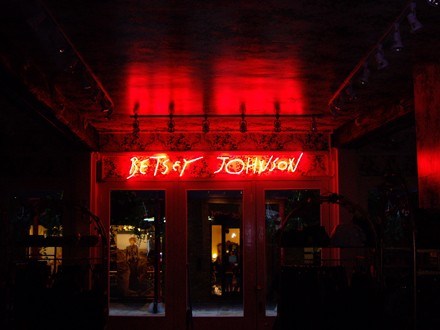
It didn’t take long for neon signs to gain popularity outside of France. In the UK, neon signage began appearing in London in the 1920s, and by the 1930s it was a staple of advertising across the capital. Piccadilly Circus, already known for its electric billboards, embraced neon with gusto. Neon’s bright colours and high visibility made it perfect for grabbing attention, especially in the grey and often foggy London weather. At the same time, neon signs were taking off in the United States, particularly in cities like New York and Los Angeles. One of the first American neon signs was installed in 1923 when a Packard car dealership in Los Angeles purchased two neon signs from Georges Claude. The signs were so bright and unusual that people would literally stop traffic to stare at them.
The Golden Age of Neon
By the mid-20th century, neon was everywhere. From high street shops and cinemas to petrol stations and nightclubs, neon signs became synonymous with modernity and glamour. They were used to promote everything from beverages to motels, and their versatility allowed for a huge range of styles, colours, and animations. The 1940s and 1950s are often referred to as the golden age of neon. In this period, signmakers – or “tube benders” – were in high demand, crafting intricate, hand-made signs that could be as simple as a pub’s name or as elaborate as animated cocktail glasses, dancing figures, or moving cars. In cities like Las Vegas, neon became more than just signage; it became a spectacle. The famous Las Vegas Strip was built on neon’s brilliance, with giant, flashing displays that turned the desert into a neon oasis. Similarly, Times Square in New York and Blackpool in the UK became hubs of neon-driven nightlife, their streets glowing with light and colour late into the night.
How Neon Signs Work: A Bit of Science
Understanding the magic behind neon signs adds a layer of appreciation for their craftsmanship and complexity. At the core, a neon sign is made of a sealed glass tube filled with a gas – traditionally neon, but sometimes argon, krypton, or xenon, depending on the desired colour. Electrodes are attached at each end of the tube, and when a high-voltage electrical current passes through, the gas becomes ionised and emits light. Pure neon gas emits a reddish-orange glow, which is the classic “neon” colour. To create other colours, signmakers use different gases or coat the inside of the tube with phosphor-based powders that fluoresce in various hues. For instance, argon gas with a little mercury produces a blue glow, while coatings can yield greens, pinks, purples, and more. Each sign is still made by hand, with skilled artisans bending and shaping the glass tubes over open flames, carefully joining segments and sealing them to prevent leaks. It’s an art form as much as a science, and one that requires years of training to master.
Decline and Resurgence: The Changing Fortunes of Neon
Despite its popularity through the mid-20th century, neon began to decline in the 1960s and 70s. New lighting technologies like fluorescent lights and, later, LEDs offered cheaper, more energy-efficient alternatives. Cities also started cracking down on outdoor signage with stricter zoning laws and aesthetic regulations. Neon signs were sometimes seen as gaudy or outdated, particularly as trends shifted toward sleek minimalism. In the UK, many classic neon signs were removed or replaced, and entire generations grew up associating neon more with vintage films or seaside towns than with modern life. By the 1990s, it seemed like neon was on its way out altogether. However, in recent years, neon has experienced something of a revival. There’s been a growing appreciation for neon as a design element and as an art form. Artists and designers have embraced its retro charm and visual impact, using neon in interior design, fashion shoots, gallery installations, and even weddings. What was once considered kitschy or old-fashioned is now celebrated for its craftsmanship, nostalgia, and emotive glow.
Neon in British Culture and Identity
Here in the UK, neon signs carry a particularly evocative quality. They’re woven into the cultural fabric, reminding us of late-night takeaways, West End theatres, and seaside arcades. One of the most famous neon pieces in Britain is the “Centre Point” sign in London – a landmark that, for decades, has loomed over Oxford Street. Other beloved neon signs include the God’s Own Junkyard collection in Walthamstow, which has become a pilgrimage site for neon enthusiasts. Artists like Tracey Emin have also helped keep neon in the cultural spotlight. Her handwritten-style neon sculptures, often featuring love notes or provocative phrases, have been exhibited worldwide. These works blur the line between signage and art, using neon’s immediacy and emotional punch in a highly personal way. Even independent shops, cafés, and fashion brands across the UK have turned back to neon as a branding choice, keen to stand out from the cookie-cutter signage of modern retail parks. The soft hum and warmth of a real neon sign evokes a sense of authenticity and nostalgia that digital screens just can’t replicate.
Is It Really Neon? A Note on LED Impostors
It’s worth pointing out that many of the “neon” signs seen today aren’t actually made from neon at all. LED neon – flexible tubes of light-emitting diodes designed to mimic the look of traditional neon – has become incredibly popular in recent years. They’re cheaper to produce, easier to install, and more energy-efficient. But they don’t have the same charm or craftsmanship as true neon. For purists, real neon signs are still the gold standard. They offer a depth and organic quality that LEDs simply can’t match. That said, LED neon does have its place, particularly in settings where traditional neon would be impractical or too expensive.
The Legacy of Neon Signs
The invention of neon signs in the early 20th century marked the beginning of a new era in visual communication. They changed the way businesses advertised, transformed urban landscapes, and became symbols of excitement, nightlife, and innovation. Even now, more than a century after Georges Claude lit up that first glowing sign in Paris, neon continues to capture our imagination. In many ways, neon signs represent a beautiful intersection between science and art. They rely on precise chemical and physical processes, yet the results are whimsical, emotional, and often breathtaking. Whether lighting up a street corner or adorning a gallery wall, neon signs tell stories – about the past, about creativity, and about the endless ways we use light to express ourselves.
Final Thoughts: A Timeless Glow
So, when were neon signs invented? Officially, the first public demonstration happened in 1910 in Paris, though the groundwork was laid by British scientists more than a decade earlier. Since then, neon signs have travelled across continents and decades, from commercial billboards to cultural icons. They’ve had their ups and downs, fallen in and out of fashion, but they’ve never fully disappeared. Here in the UK, neon continues to glow in both traditional and modern forms, illuminating our streets, our art, and our memories. It’s a technology that defies obsolescence – not because it’s the most practical, but because it captures something more intangible: a sense of wonder, beauty, and human expression that flickers just as brightly today as it did over a hundred years ago.
Want to know more about neon signs or the range of signage available at Prestige Signs? Get in touch with our expert sign makers today.